

Ellen J. Quinlan, Ph.D.
Plant Evolutionary Ecologist and Conservation Genomicist
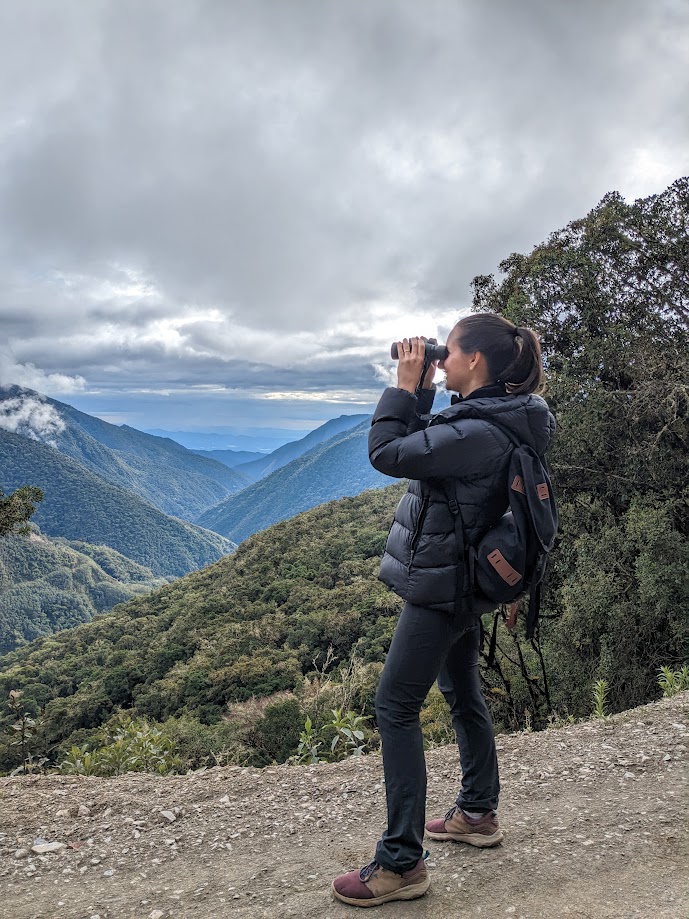
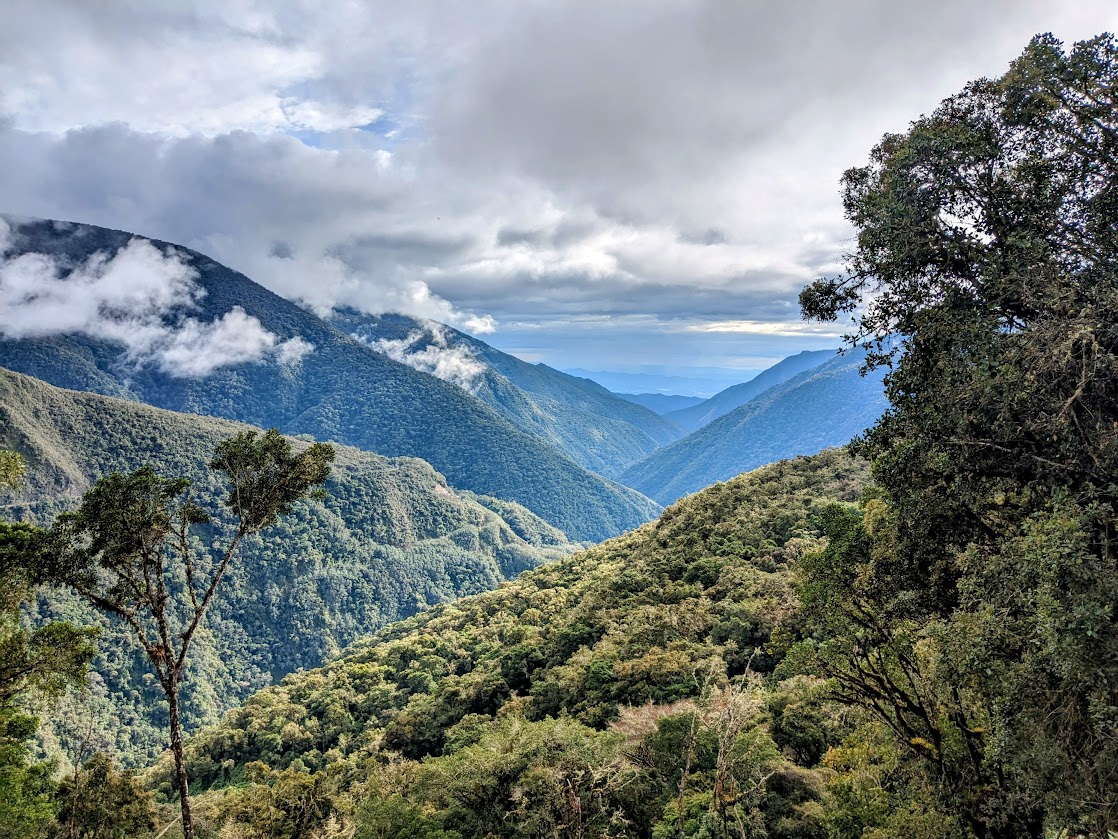
My research lies at the intersection of ecology and evolution, aiming to understand how tropical forests generate, maintain, and reorganize biodiversity as environments change. I combine genomics, field ecology, and natural history records to connect population-level processes such as range shifts, gene flow, and demographic change with the biodiversity patterns we observe across landscapes. As environments are now changing at unprecedented rates, I am particularly interested in the processes that underlie species’ responses and may enhance resilience to rapid change. Much of my work uses mountain systems as natural laboratories for studying these eco-evolutionary questions across environmental gradients.
Projects
Eco-evolutionary relationships among Andean trees
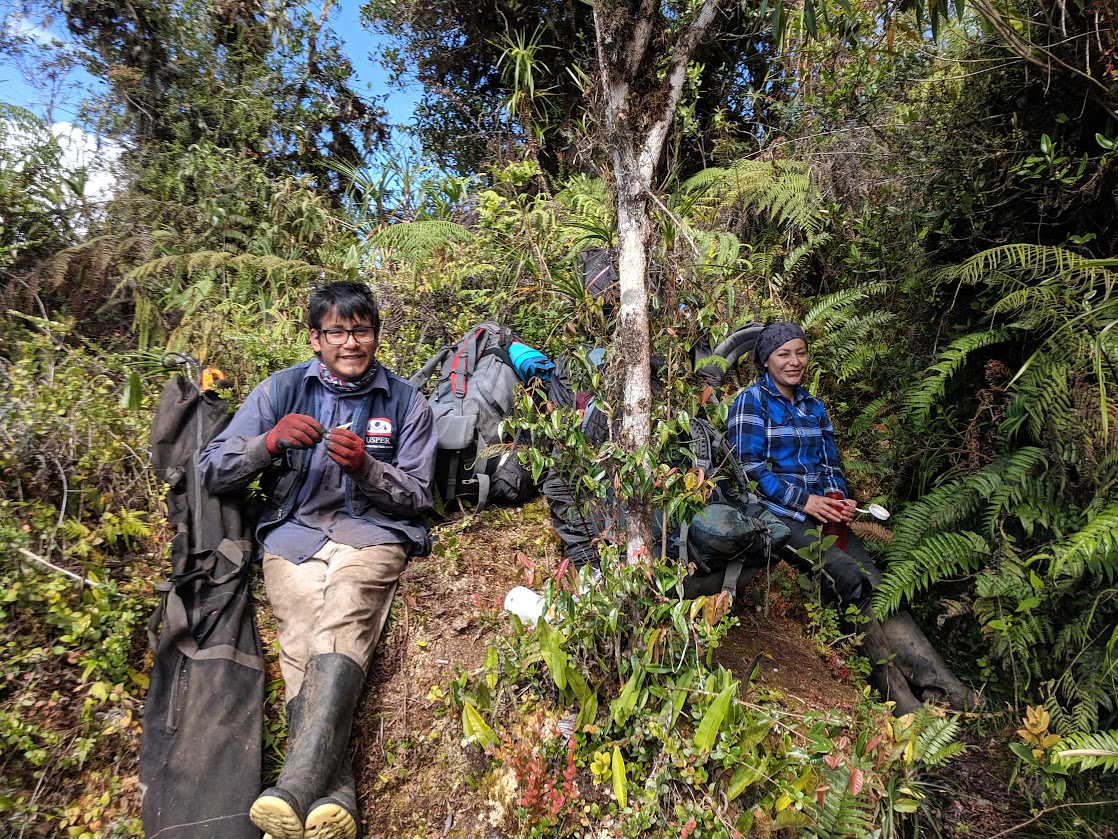
A key driver of the high tree diversity characteristic of tropical Andean forests is the packing of many closely related species across steep elevation gradients. My PhD work with Dr. Miles Silman and the Andes Biodiversity Ecosystem Research Group (ABERG) sought to understand how these lineages diversify and sort into their elevational niches, the degree to which species boundaries are maintained where they co-occur, and how demographic patterns change through time. Much of this work focused on disentangling these relationships among sympatric species in the genus Prunus (cherries).
Quinlan, E.J. and Silman, M.R. Demographic histories reveal shifting patterns of rarity in Andean forests. In prep.
Quinlan, E.J., Pease, J.B., Sallo Bravo, J., Fuentes, A., Farfan-Rios, W. and Silman, M.R. Diversification and coexistence amid widespread and persistent gene flow in Andean Trees. Preprint available – https://doi.org/10.1101/2025.09.22.677938.
Quinlan, E.J., Layman, C.A. and Silman, M.R. (2025). Climate-mediated hybridisation and the future of Andean forests. J Biogeogr, 52(3). https://doi.org/10.1111/jbi.15113
Conservation genomics of rare tropical trees
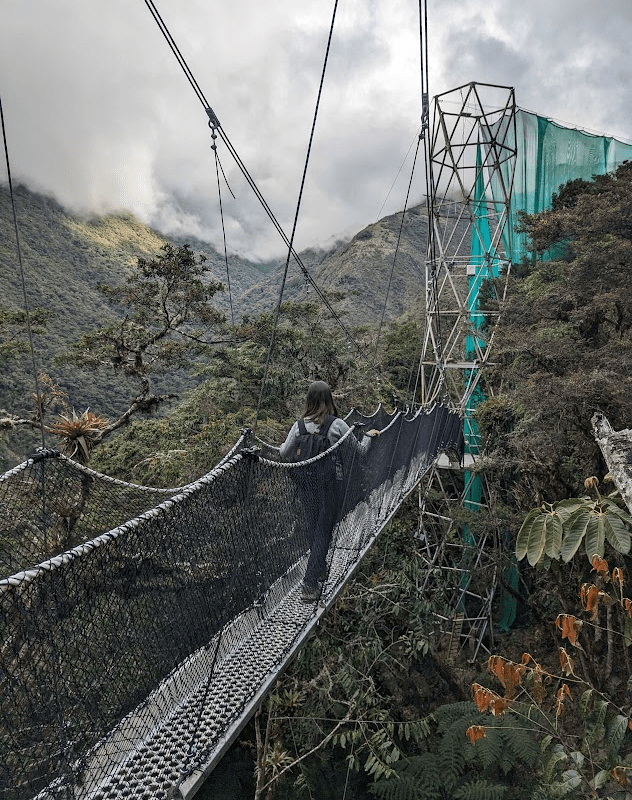
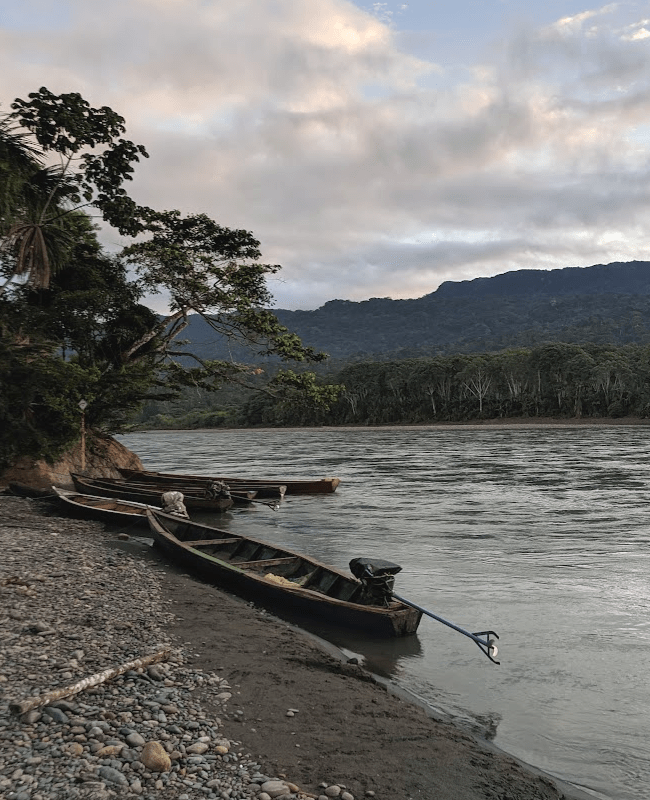
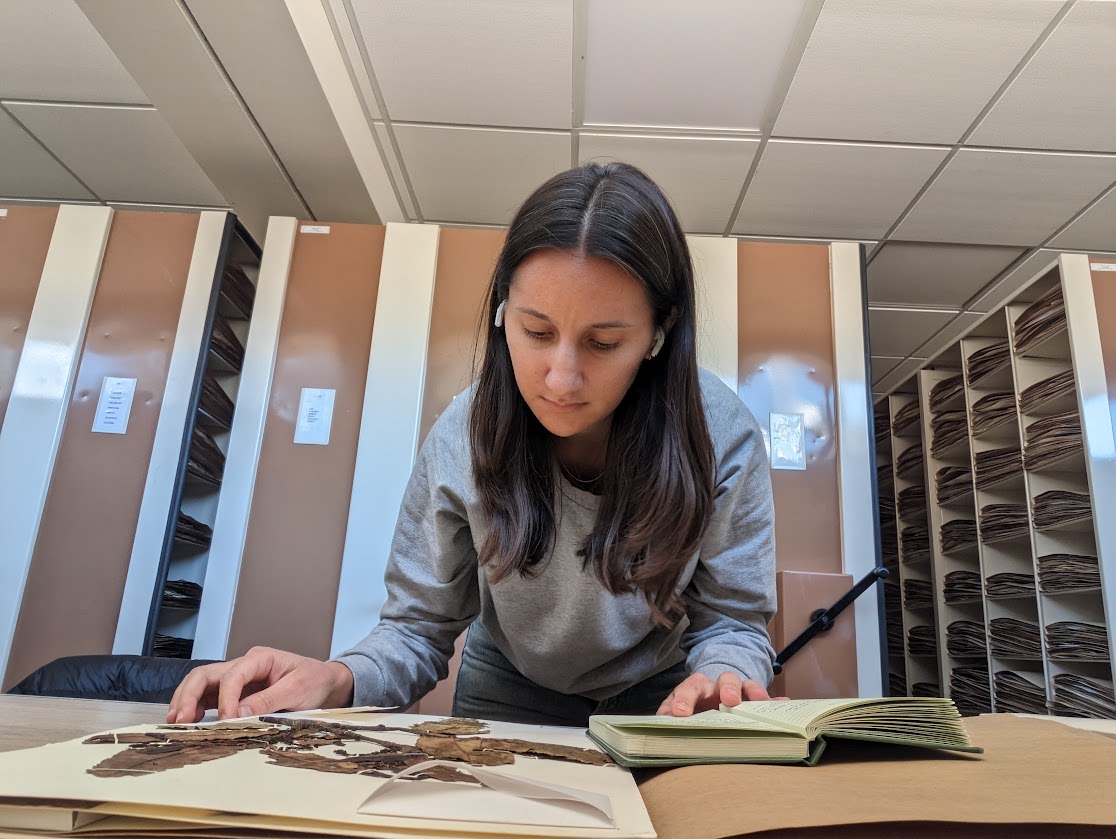
Tropical forests comprise a few hyperdominant and many rare tree species, but distinguishing the truly rare from those simply under-sampled remains a challenge for ecology and conservation. Given the vastness of Amazonia, we will never sample enough individuals to resolve this problem through field data alone, as half of all species are known from three or fewer collections and at least a third of all collections remain unidentified. I am interested in exploring ways we can use genomic tools to leverage the information stored in individuals already sampled to advance our understanding of the rarest Amazonian trees and inform conservation assessments.
Quinlan, E.J., Neill, D.A., Rivas-Torres, G., and Silman, M.R. (2025). Assessing rarity: genomic insights for population assessments and conservation of the most poorly known Neotropical trees. Biological Conservation, 309, 111280. https://doi.org/10.1016/j.biocon.2025.111280
Phylogeography and ecophysiology of Kalmia buxifolia
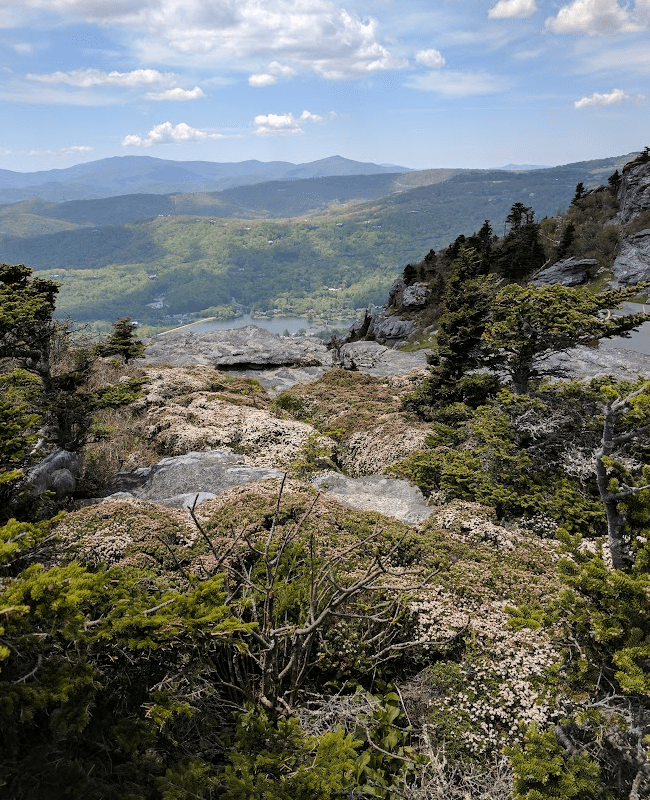
My M.Sc. work with Dr. Beverly Collins and Dr. Kathy Mathews focused on characterizing the ecophysiology and evolutionary history of the flowering shrub Kalmia buxifolia. This species is disjunctly distributed across the high-elevation rock outcrops of the southern Appalachians, upper monadnocks and pine savannas of the Carolina Piedmont and Coastal Plain, and the New Jersey Pine Barrens. We used genetic data to reconstruct the phylogeographic history of the species, estimating potential directions and timing of migration as well as dating the divergence from its sister species K. procumbens. Additionally, we used stable isotope and leaf morphology data to assess whether isolation in these different environments has led to variation in intrinsic water-use efficiency.
Quinlan, E.J., Mathews, K. G., Collins, B., & Young, R. (2020). Phylogenetic divergence and ecophysiological variation in the disjunct Kalmia buxifolia (Sand-myrtle, Ericaceae). Systematic botany, 45(4), 900-912. https://doi.org/10.1600/036364420X16033962925277
Teaching
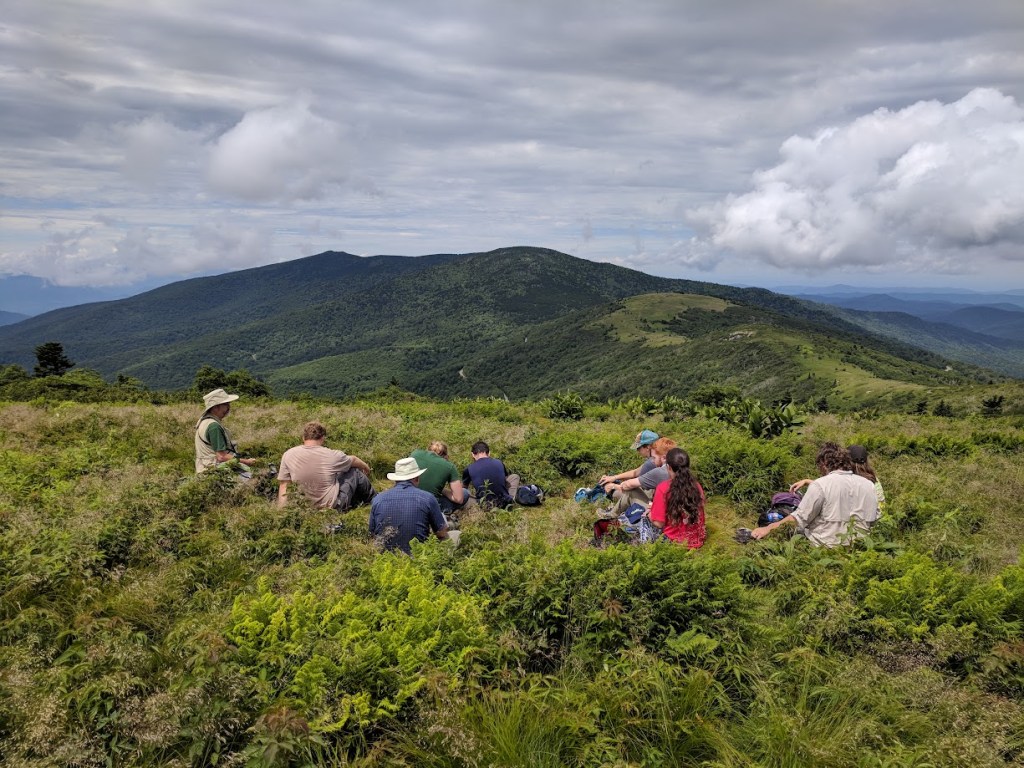
I am committed to creating inclusive classroom environments where every student feels like they belong and has the opportunity to succeed. I especially value opportunities to bring students outside and connect them with the natural world through field-based labs, experiential activities, and field courses. My teaching experience includes serving as a teaching assistant across a wide range of biology courses, mentoring new teaching assistants, developing curricula for introductory biology courses, and teaching biology as instructor of record at a community college. Across these roles, I have focused on making biology accessible, engaging, and relevant to students with diverse backgrounds and goals.
Field Notes






 Ellen J. Quinlan